
The short answer
- Clothes
- Light, loose, covering
- Shoes
- Slip ons for temples
- Plugs
- Types C, D and M, 230V
- Don't forget
- Scarf, sanitiser, ETA printout
Packing for India is mostly about respecting local dress codes and coping with heat, dust and the odd stomach upset. Pack light: laundry is cheap and quick in most hotels, and you can buy cotton clothes cheaply when you arrive.
Clothing
- Loose cotton or linen trousers, long skirts and tops that cover shoulders. Leggings and a long tunic work well for women.
- A large scarf or shawl to cover your head or shoulders at temples and mosques, and for sun and dust.
- Slip on shoes or sandals, as you will take them off many times a day, plus comfortable walking shoes.
- From December to February in the north, a fleece or light down jacket for cold mornings and evenings, especially on safaris and in the desert.
- Swimwear for hotel pools and beaches in Goa and Kerala; cover up away from the beach.
Health kit
- Hand sanitiser and wet wipes.
- Rehydration salts and your usual stomach remedies.
- Insect repellent with DEET or picaridin, especially for Kerala, Goa and the monsoon.
- High factor sunscreen, sunglasses and a hat.
- Any prescription medicines in their original packaging, with a copy of the prescription.
- A face mask if visiting Delhi between late October and January, when air quality can be poor.
Documents, money and tech
- Passport valid for six months, a printed copy of your e-Visa (ETA) and travel insurance details.
- Photocopies of your passport and visa, kept apart from the originals.
- A debit card for ATMs and a credit card as a backup.
- Plug adaptor for types C, D and M sockets (230V), and a power bank for long drives.
- A small padlock for luggage on trains.
What to leave at home
- Revealing clothing, which attracts attention away from beaches.
- Expensive jewellery.
- Drones, which need special permission to fly in India.
- Too many clothes: you will want space for textiles and spices.
Rather have a trip to India made just for you?
Answer a few quick questions and a local specialist will send you a free, no-obligation itinerary and price.
Frequently asked questions
What should women wear in India?
Loose clothes that cover shoulders and knees, such as long skirts, loose trousers, or leggings with a long tunic, plus a scarf. In big city restaurants and resorts dress is more relaxed.
Is it cold in India in winter?
Days are warm, but early mornings and nights in Delhi, Agra, Rajasthan and the tiger reserves can be close to freezing in December and January. Bring a warm layer, especially for open jeep safaris.
What plug do I need for India?
India uses type C, D and M sockets at 230 volts. A universal adaptor covers them all.
India month by month
More India guides

Best time to visit India: a region by region guide
October to March is the best time for most of India. The Himalaya is best from June to September, and tiger safaris from March to June.
Updated 14 October 2026
India month by month: weather, festivals and where to go
A month by month planner for India, with the weather in the north and south, the festivals worth timing a trip around, and where to go.
Updated 14 October 2026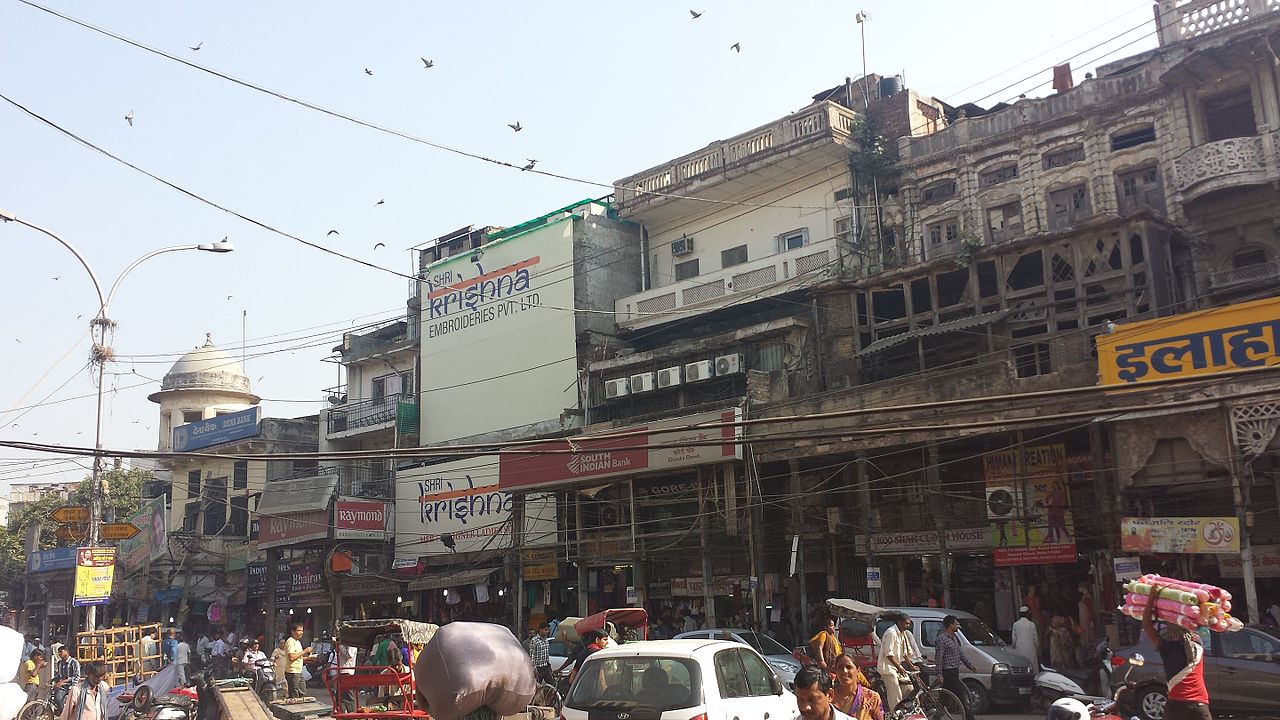
India travel tips: 20 things to know before you go
Practical advice for a smooth first trip to India: staying healthy, money and SIM cards, etiquette at temples, getting around and avoiding common scams.
Updated 14 October 2026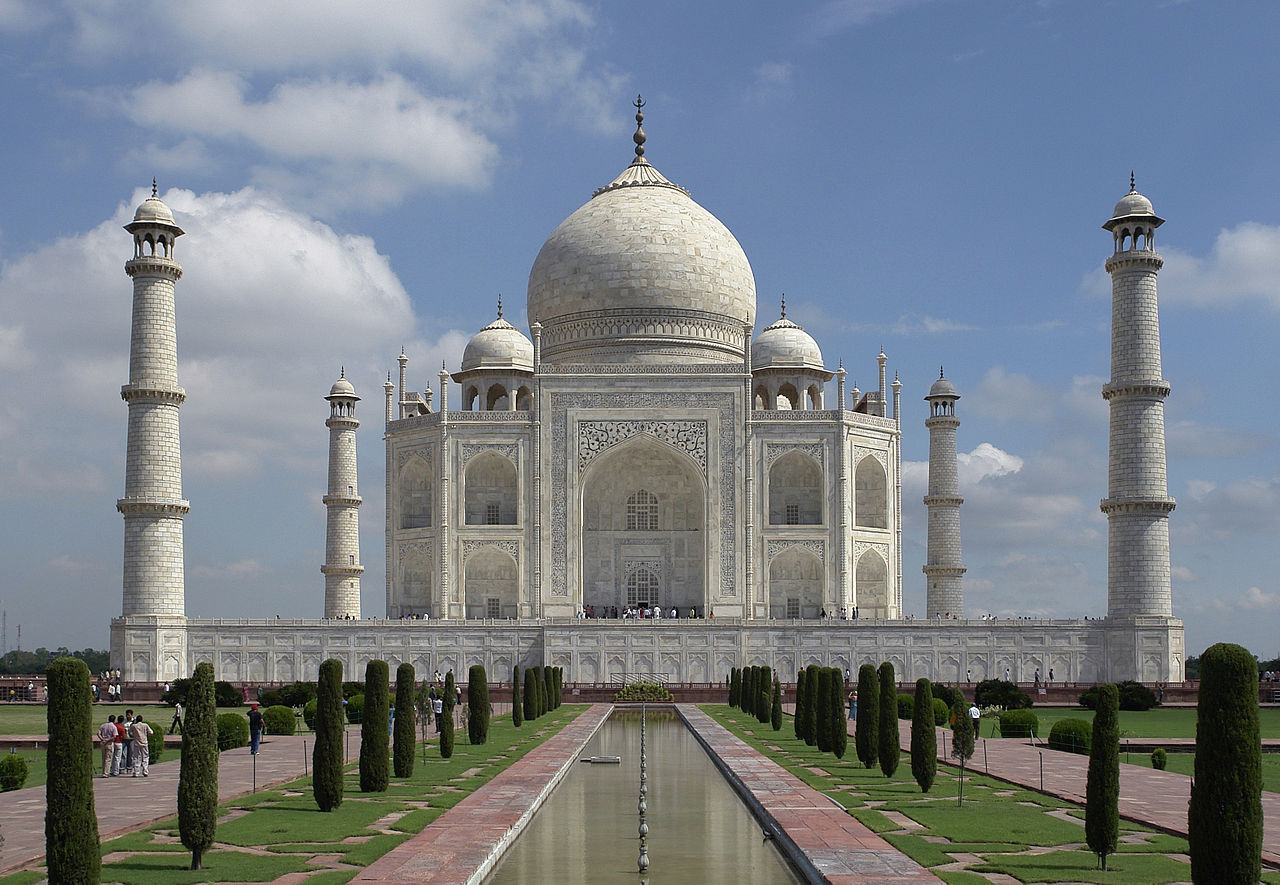
India tourist visa: how to get an e-Visa, step by step
Most visitors can get an e-Tourist Visa online. Here are the three types, current fees, what you need and how to avoid common mistakes.
Updated 14 October 2026