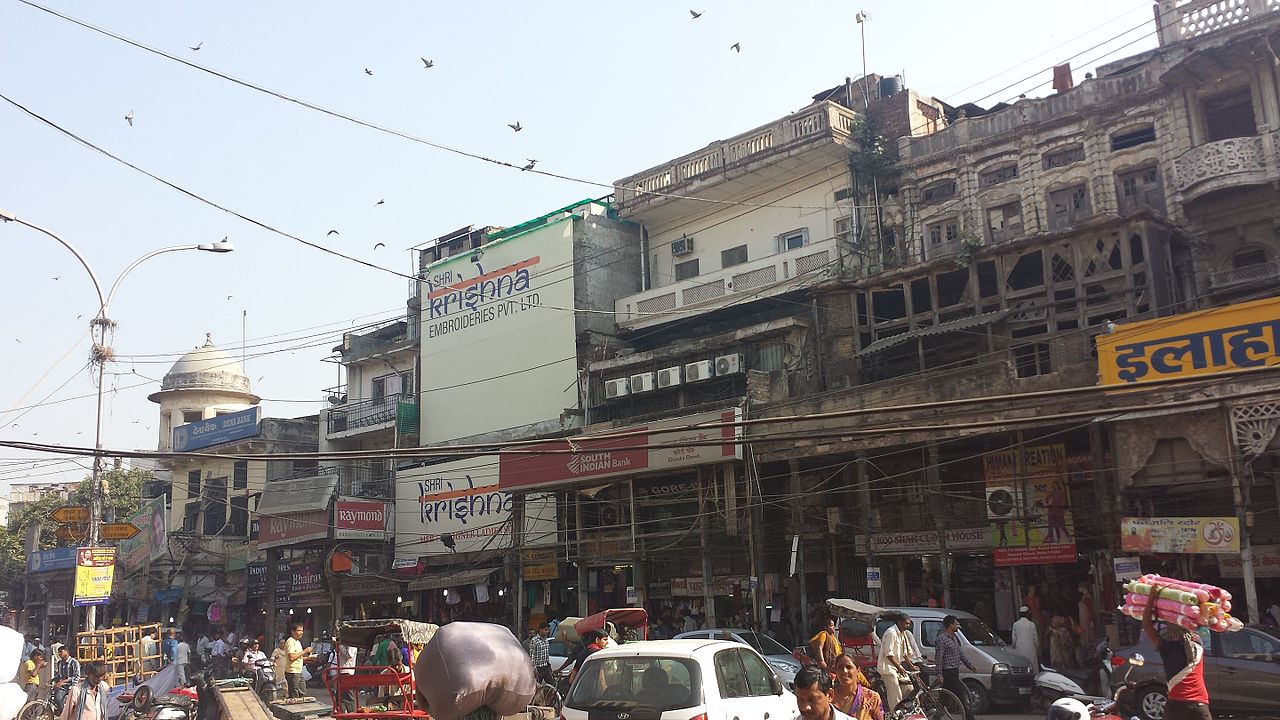
The short answer
- Water
- Bottled or filtered only
- Money
- Rupees from ATMs on arrival
- Dress
- Shoulders and knees covered
- Tipping
- Expected for guides and drivers
India rewards visitors more than almost anywhere, but a first trip can feel intense. These tips cover the things most travellers wish they had known before they arrived.
On a guided tour many of them are handled for you, from tickets and transport to choosing safe places to eat, which is one reason most first time visitors travel with a guide.
Health and food
- Drink only bottled or filtered water, and use it to brush your teeth. Check bottle seals are intact.
- Eat freshly cooked, hot food. Busy places with a high turnover are usually safest.
- Go easy on raw salads, cut fruit and ice for the first few days.
- Carry hand sanitiser, rehydration salts and your usual stomach remedies.
- See a travel doctor six to eight weeks before you go about vaccinations and malaria advice for your route.
Money, phones and getting online
- Rupees generally can't be bought outside India. Use an ATM at the airport on arrival and carry small notes for tips and snacks.
- Cards work in hotels, larger shops and restaurants, but markets and small stalls are cash only.
- A local SIM card or an eSIM is cheap. Buying a SIM needs your passport, a photo and your visa, and activation can take a few hours.
- Download offline maps and a translation app before you arrive.
Etiquette and dress
- Cover shoulders and knees, especially at temples, mosques and in rural areas. A light scarf is useful everywhere.
- Remove shoes before entering temples and homes. Slip on shoes save a lot of time.
- Use your right hand to eat, give and receive things.
- Ask before photographing people, and look for no photo signs at religious sites.
- Public displays of affection are frowned upon outside big cities.
Getting around
- Trains are a great way to travel between cities. Reservations open 60 days ahead and popular routes sell out, so book early or let your tour handle it.
- Use Uber, Ola or prepaid taxi booths rather than hailing taxis at airports and stations.
- Distances take longer than maps suggest. Delhi to Agra is about 3 to 4 hours by road; Agra to Jaipur about 4 to 5.
- A private car with a driver is common and good value for the Golden Triangle and Rajasthan.
Common scams and how to avoid them
- "The monument is closed today." A stranger says a sight is shut and offers to take you somewhere else instead. Check opening days yourself.
- Gem and carpet deals. Offers to buy goods to resell at home for a profit are always a scam.
- Unofficial guides. At big sites, use licensed guides with ID, or the guide included in your tour.
- Fake visa websites. Apply for an e-Visa only on the official Indian government site. Lookalike sites charge extra fees.
Air quality, women travellers and tipping
Delhi and much of the northern plains have poor air quality from around late October to January. If you have asthma or heart or lung conditions, check the daily air quality index and consider a mask, or plan more time in Rajasthan and the south.
Women travel all over India, alone and in groups. Dressing conservatively, using reputable transport after dark and choosing well reviewed hotels reduces unwanted attention. Many women prefer a small group or private guided tour for a first visit.
Tipping is customary. As a guide only, consider around INR 500 to 1,000 a day for a guide and INR 300 to 500 a day for a driver, more on longer private tours. Your tour operator can suggest amounts.
Rather have a trip to India made just for you?
Answer a few quick questions and a local specialist will send you a free, no-obligation itinerary and price.
Frequently asked questions
Is India safe for tourists?
Millions of tourists visit India safely every year. The main risks are stomach upsets, traffic, scams and petty theft. Check your government's travel advice, choose reputable tours and transport, and take normal big city precautions.
Can I drink tap water in India?
No. Drink only bottled or filtered water, and avoid ice unless you know it is made from filtered water.
Do I need cash in India?
Yes. Cards are widely accepted in hotels and larger shops, but you will need cash for markets, tips, small restaurants and rickshaws. ATMs are easy to find in towns and cities.
Sources we checked
India month by month
More India guides

Best time to visit India: a region by region guide
October to March is the best time for most of India. The Himalaya is best from June to September, and tiger safaris from March to June.
Updated 14 October 2026
India month by month: weather, festivals and where to go
A month by month planner for India, with the weather in the north and south, the festivals worth timing a trip around, and where to go.
Updated 14 October 2026
India tourist visa: how to get an e-Visa, step by step
Most visitors can get an e-Tourist Visa online. Here are the three types, current fees, what you need and how to avoid common mistakes.
Updated 14 October 2026
What to pack for India: a practical packing list
Light, loose clothes that cover shoulders and knees, a scarf, slip on shoes, layers for northern winter mornings and a good health kit.
Updated 14 October 2026